
Exposing the Pangolin Trade in Laos: The Agent C Wildlife Initiative Story
The Problem: Pangolins Are Being Slaughtered and Trafficked on a Massive Scale in Laos
Pangolins are trafficked around the world, but the scale and openness of the trade in Laos are particularly alarming.
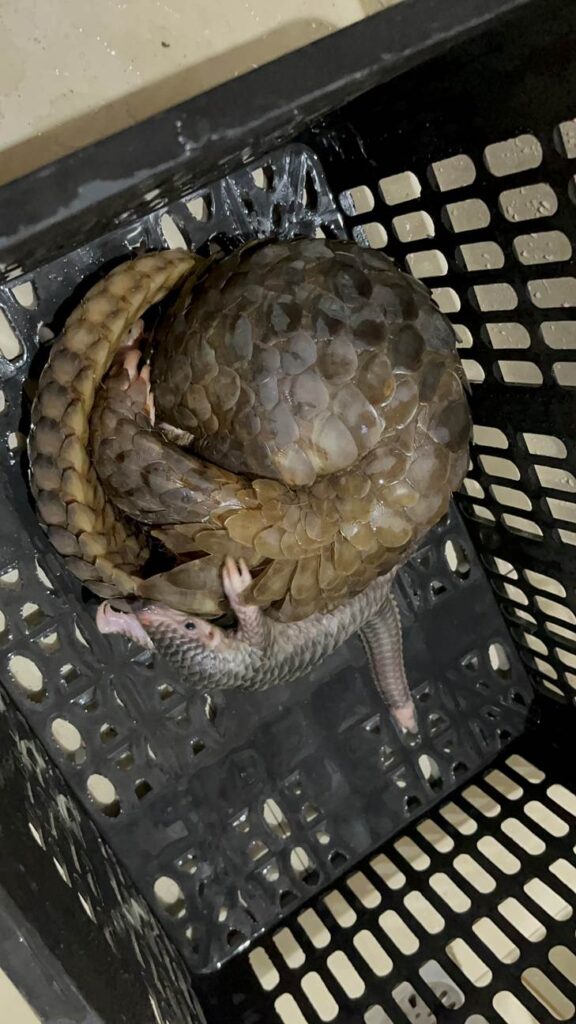
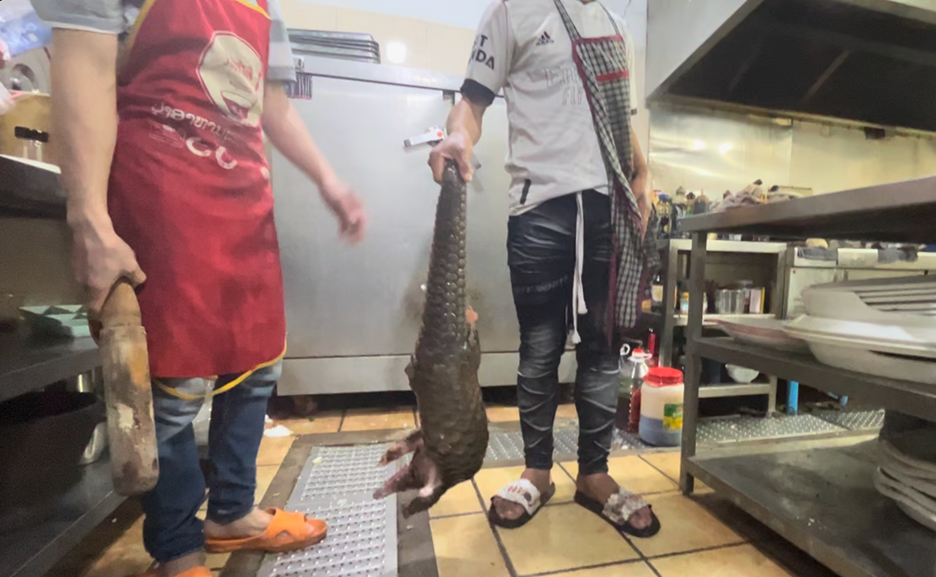
At one black market less than an hour from central Vientiane, investigators from Agent C, an independent global environmental group, repeatedly found more than ten live pangolins being offered for slaughter during a single visit. Our investigators have monitored this market for the past three years, documenting how live pangolins are stored, sold and killed.
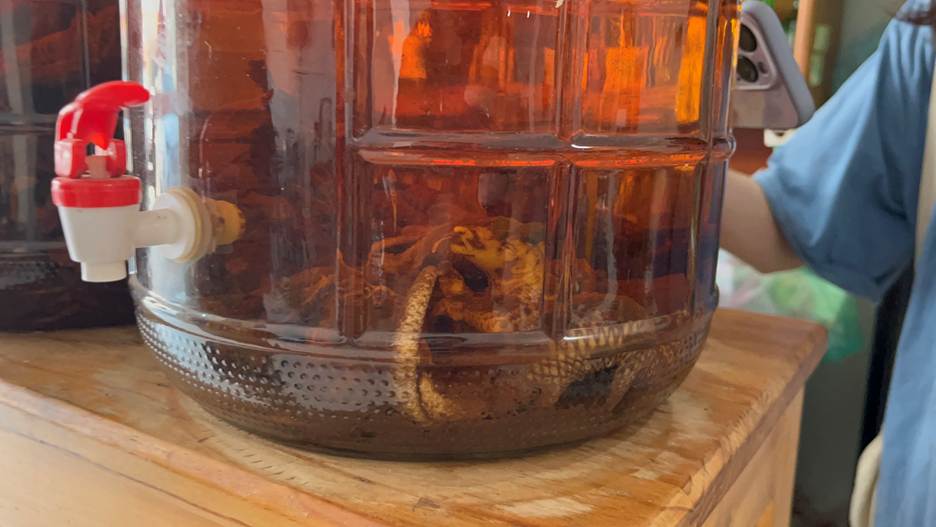
This trade is being fuelled partly by organised tourism. Approximately 100 low-cost Chinese tour groups arrive in Laos each day. Some are taken by tour operators to restaurants serving pangolin meat and to shops selling ivory, rhino horn and other illegal wildlife products. According to one tour guide interviewed during our investigation, a single tour group may consume six to eight pangolins.
Based on evidence gathered through our investigations, we estimate that more than 10,000 pangolins are slaughtered in Laos each year.
The trade is not limited to isolated poachers or individual restaurants. Black markets, illicit restaurants, souvenir shops and tour operators form an interconnected commercial network that turns endangered wildlife into an organised tourist attraction. Travellers may be told that eating pangolin meat is a special local experience or that wildlife products have medicinal value, while tour operators and businesses profit from bringing customers into the illegal trade.
The Solution: Undercover Investigations That Expose Traffickers and Enable Enforcement
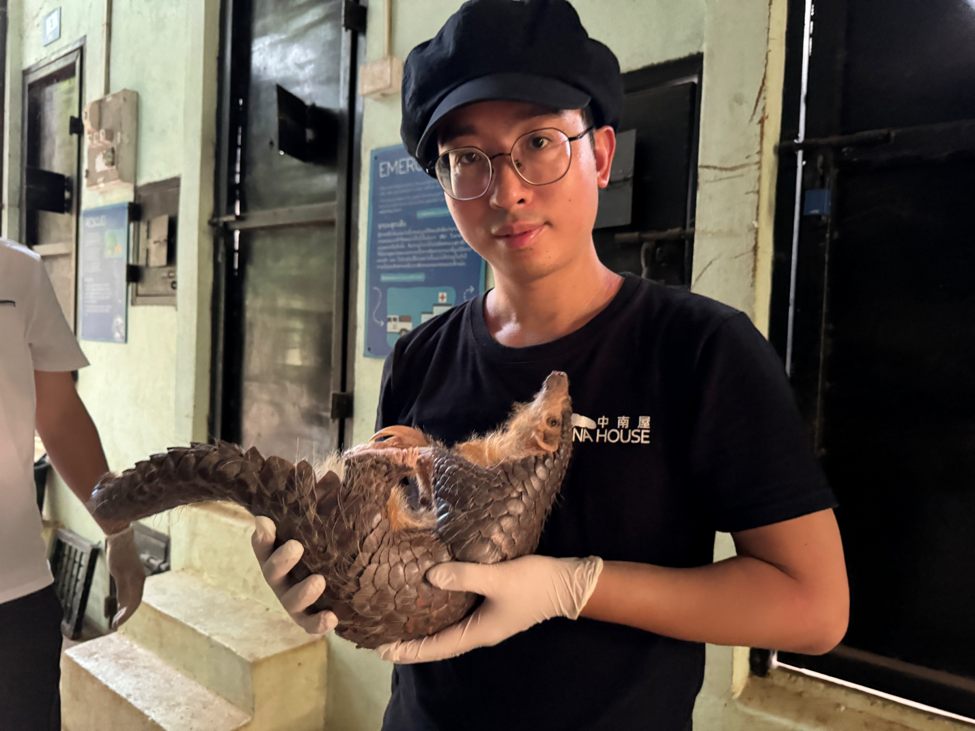
Agent C Wildlife Initiative has built a globally unique team of Chinese undercover investigators. By posing as buyers and tourists, our investigators can enter places and conversations that are often inaccessible to conventional conservation organisations and law-enforcement officers.
Through repeated missions in Laos, the team has documented how live pangolins move from black markets to restaurants, how tour operators bring customers to consume protected wildlife, and how shops sell illegal wildlife products to travellers. Rather than recording individual incidents alone, we work to identify the traders, businesses and relationships that allow the trafficking network to operate.
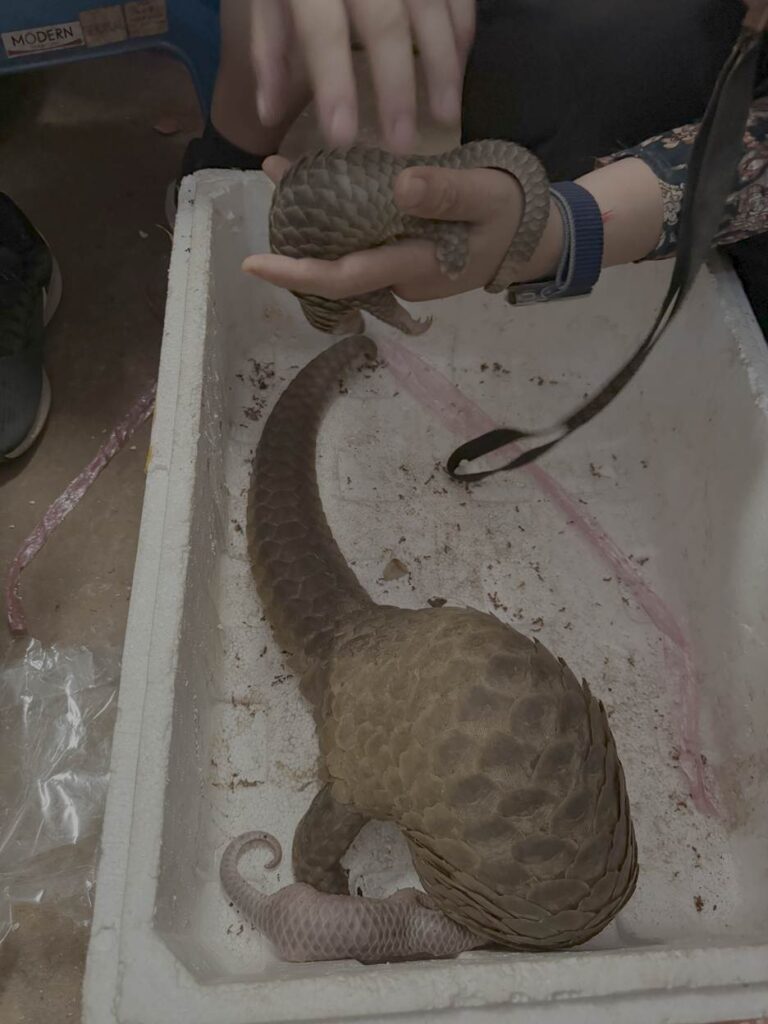
Our investigators collect video evidence, identify black-market locations and key traffickers, and map trafficking routes and networks. This intelligence is then shared with trusted law-enforcement partners to support interventions and prosecutions.
The investigations have already contributed to concrete results. During several missions, more than ten live pangolins were rescued from a black market and multiple traffickers were prosecuted. A restaurant owner who cooked pangolins for tour groups was imprisoned. In another case, a tour group returning to China was stopped and searched, and pangolin scales and other suspected wildlife products were discovered.
But arrests alone cannot end the trade. As long as tourists continue to create demand, new traders and restaurants can replace those that are removed.
Agent C therefore uses the knowledge gathered through undercover investigations to conduct targeted public-awareness campaigns in China. By exposing how some low-cost tours profit from taking travellers to illegal restaurants and wildlife-product shops, we have warned tens of thousands of potential visitors about the wildlife crimes and commercial scams hidden within these “special tour groups.”
Every day, our team receives messages from people who have joined or are considering joining tours to Laos. Some ask whether particular itineraries or shops are connected to illegal wildlife trade. Others tell us that they decided not to participate after seeing the evidence we exposed.
Through this work, Agent C has become the most-followed voice dedicated to pangolin conservation on Chinese social media. This gives us an unusual ability to intervene before travellers enter the trafficking network—not only exposing crimes after they happen but also reducing the demand that makes them profitable.
Our approach connects four forms of action: undercover investigation, law-enforcement support, public education and policy advocacy. Evidence collected inside the trafficking network informs every step.
With further support, Agent C can continue monitoring the markets, investigate more tour operators and traffickers, provide actionable evidence to enforcement agencies, and reach more potential travellers in China.
By combining access, evidence and public engagement, we aim to dismantle the commercial system that is driving the slaughter of pangolins in Laos—and protect these extraordinary animals before it is too late.