

From Insight to Action: Reducing Demand for African Grey Parrots Across China’s Supply Chain
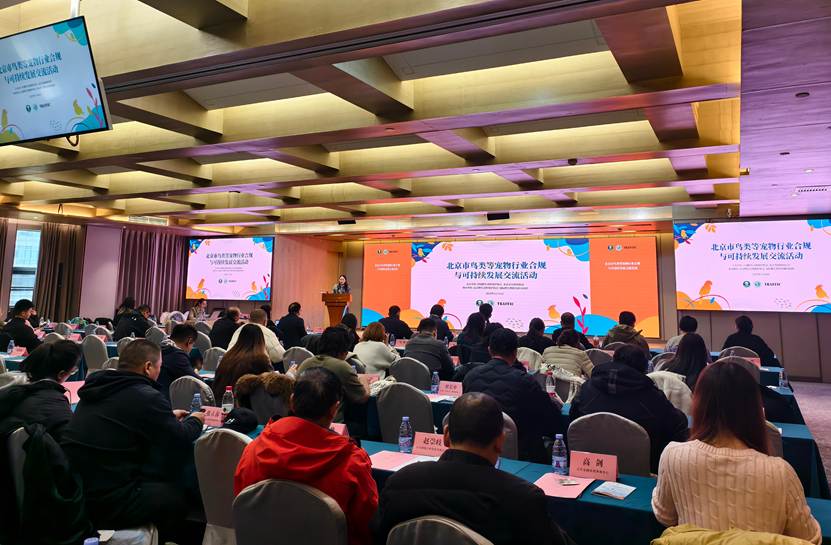
Figure 1: Training Event with Government, Research, and Pet-sector Stakeholders in China.
The problem
African Grey Parrots (AGPs, Psittacus erithacus) were listed on Appendix I of CITES in 2016, which prohibits international commercial trade; only captive-bred specimens from registered breeding facilities may be legally traded. Despite these international protections, illegal trade persists through complex supply chains linking source areas in Central Africa to consumer markets, including China, with reported impacts on wild populations and ecotourism-dependent local economies in range states. The challenge, therefore, is to address the specific factors influencing consumer purchasing decisions while mitigating risks at other points in the supply chain.
The solution
From July 2022 to June 2026, TRAFFIC implemented the Demand Reduction and Behaviour Change along China’s Parrot Supply Chains project in China, Cameroon and the Democratic Republic of Congo, supported by Defra’s Illegal Wildlife Trade Challenge Fund. The initiative applied all five steps of the Guidance for CITES Parties to Develop and Implement Demand Reduction Strategies to Combat Illegal Trade in CITES listed Species: (1) identifying the species and behaviour to change; (2) understanding and segmenting priority audiences; (3) selecting behaviourally informed approaches; (4) developing targeted messages, messengers and channels; and (5) implementing, evaluating and refining the intervention.
The project first defined the behaviour to change: potential buyers should move from considering a parrot purchase without checking its legality to researching legal requirements and avoiding illegal trade in AGPs. Consumer research, value-chain analysis, online market monitoring and annual physical market surveys informed intervention design, supported campaign refinement, enabled the project to track market trends over time, and helped assess whether observed changes were consistent with the project’s intended outcomes.
The project also examined the capability, opportunity and motivation of potential buyers in China, identifying the barriers and benefits influencing their decisions. Research showed that demand was associated with perceptions of parrots as attractive and intelligent companions and with the challenge of training them. It also revealed limited knowledge of legal requirements and misconceptions about the impacts of pet purchases on wild populations. Douyin (China’s domestic version of TikTok) was the most frequently used information platform among respondents who researched parrot ownership online, while market sellers were an important influence on purchasing decisions.

Figure 2: Storyboard for the Online Campaign Video
These insights informed a targeted online campaign encouraging potential buyers to check legal requirements before purchasing parrots. A responsible market seller acted as the key messenger, framing legal and responsible purchasing as a positive, informed choice. Campaign concepts were expert-reviewed and pre-tested before the campaign was delivered in phases.
Working backward along the supply chain, the campaign was complemented by pet-sector training; corporate responsibility guidance and an updated Code of Conduct developed through the China Timber and Wood Products Distribution Association for timber companies connected to Central Africa; and community engagement around Lobéké National Park in Cameroon. Together, these interventions addressed consumer, corporate and source-community contexts.
Measurable results
The campaign reached around 1.6 million high-risk consumers and generated more than 20 million impressions. Across two evaluation phases, 41% and 51% of respondents who had previously considered buying parrots without legal documentation reported that they no longer intended to do so.
Average monthly online advertisements for AGPs declined by 74%. Repeated physical market surveys (2024-2026) across multiple Chinese cities suggested a substantial reduction in the availability of AGPs in monitored markets.

Figure 3: Community Awareness-raising Campaign in Cameroon
Six training events involved government, research and pet-sector stakeholders. Corporate responsibility guidance reached 76 Chinese companies, while activities in six communities near Lobéké National Park reached approximately 500 people and secured seven conservation pledges from community leaders. China’s national bird-protection campaign and provincial measures also created opportunities for collaboration and capacity building.

Figure 4: Roundtable Discussion with Local Community Representatives on Sustainable Access to Forest Resources
Lessons learned
Evidence laid the foundation for effective intervention design, helping translate the overall demand reduction goal into a focused intervention. Pre-testing, phased delivery and stakeholder engagement also helped keep the campaign relevant, coherent and feasible. Self-reported changes in intention were an important indicator of audience response, but they were most meaningful when considered alongside market trends and stakeholder actions over time.
Further strengthening synergies with relevant partners would help sustain behaviour change beyond the project period by building on existing initiatives and opportunities for continued engagement. For organisations seeking to replicate, the key advice is to leverage evidence-based behavioural insights. In cross-border trade contexts, interventions should be linked with action by industry, corporate actors, communities, policy makers and enforcement agencies across the supply chain.
Further information