

Human-Wildlife Conflict: Cheetah Conservation Fund’s Toolbox for Coexistence
Dr. Laurie Marker, Founder/Executive Director, Cheetah Conservation Fund, [email protected], www.cheetah.org
Across Africa, the future of large carnivores depends not only on protecting wildlife but also on supporting the people who share the landscape with them. For livestock farmers, losing even a few animals to predators can threaten a family’s livelihood. When livelihoods suffer, cheetahs, leopards, lions, hyenas, and African wild dogs are often killed in retaliation. Human-wildlife conflict remains one of the greatest threats to Africa’s predators—and one of the greatest opportunities for conservation innovation.
For more than 36 years, the Cheetah Conservation Fund (CCF) has developed, tested, and refined a practical toolbox of science-based solutions that reduce livestock losses while allowing people and wildlife to coexist. From Namibia, these approaches are now being adapted throughout Africa and beyond.
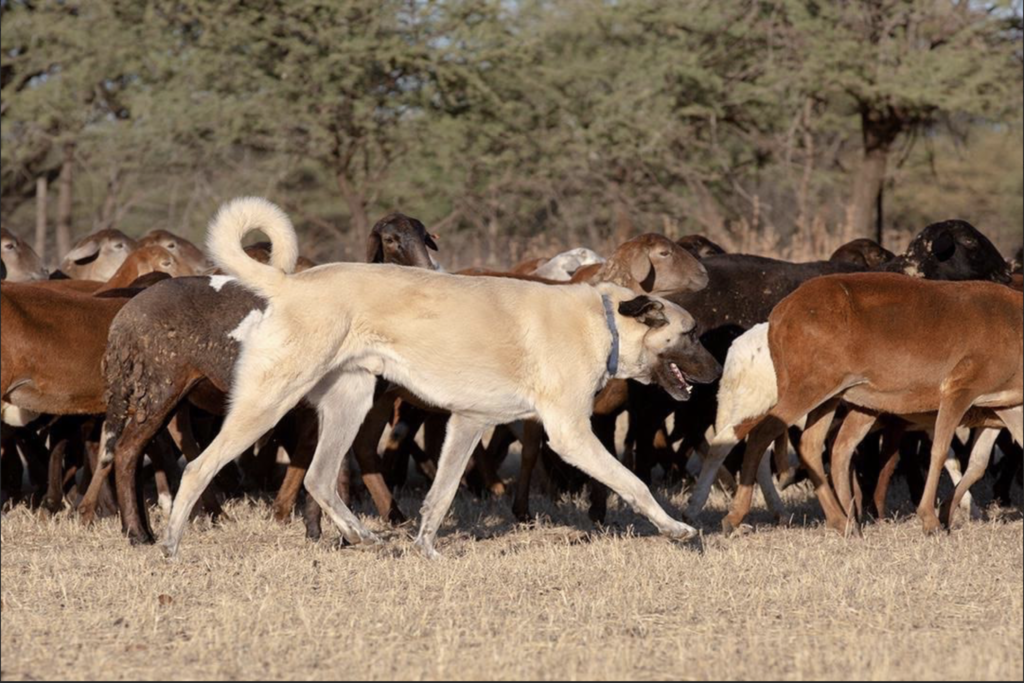
Perhaps CCF’s best-known innovation is our Livestock Guardian Dog Programme where over 800 dogs have been bred and placed with livestock farmers. Anatolian Shepherd and Kangal dogs are raised alongside livestock from puppyhood, becoming trusted protectors of the herd. Hundreds of farmers have reported livestock losses to cheetahs and all predators falling by 80 to 100 percent after introducing guardian dogs, allowing them to protect both their livelihoods and the predators that share their land.
CCF’s toolbox extends far beyond guardian dogs. Farmers receive practical training in improved rangeland, livestock and wildlife management. Over 30,000 rural Namibian farmers have participated in CCF’s training in livestock husbandry, including supervised grazing, secure night kraals, strategic lambing and calving seasons and management practices, and rapid removal of carcasses that may attract predators has reduced losses for those participating in our Future Farmers of African programme by over 65%. These simple, affordable changes often prevent conflict before they occur.
Technology is adding new tools to the conservation toolbox. GPS collars, satellite tracking, camera traps, and early warning systems help farmers better understand predator movements and make informed management decisions. At the same time, CCF continues to evaluate innovative, low-cost deterrents that can be used by rural communities.
A cornerstone of Namibia’s conservation success is its network of communal conservancies. These are legally recognized areas where local communities collectively manage wildlife and other natural resources while benefiting from conservation through tourism, sustainable use, and employment. Covering approximately 20 percent of Namibia, conservancies have helped restore wildlife populations, protect vast landscapes, and empower rural communities to become stewards of their natural heritage. Because people, livestock, and wildlife share these landscapes, reducing human-wildlife conflict is essential to the long-term success of the conservancy model.
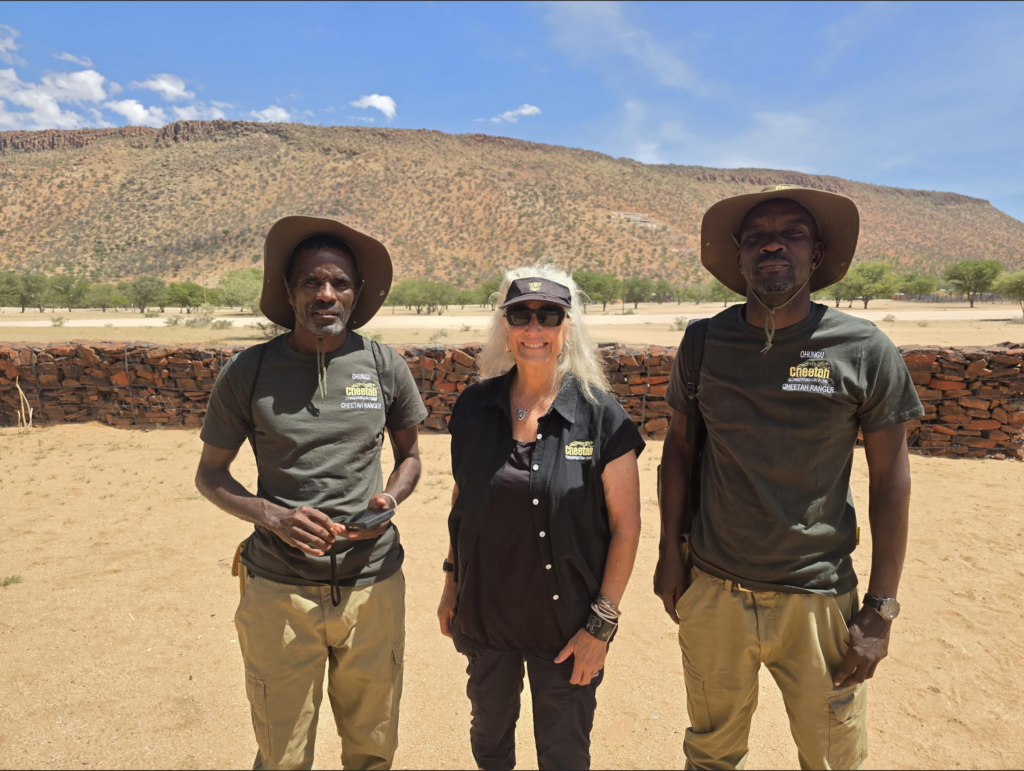
An important part of our toolbox is CCF’s Cheetah Rangers programme. Rangers are recruited from local conservancies and farming communities and trained to respond rapidly to conflict situations, monitor predator activity, collect scientific data, and work directly with livestock owners. By serving as trusted links between communities, conservancies, and conservation practitioners, Cheetah Rangers help implement practical solutions before conflicts escalate. Their local knowledge, combined with scientific training, enables rapid responses while strengthening community ownership of wildlife conservation.
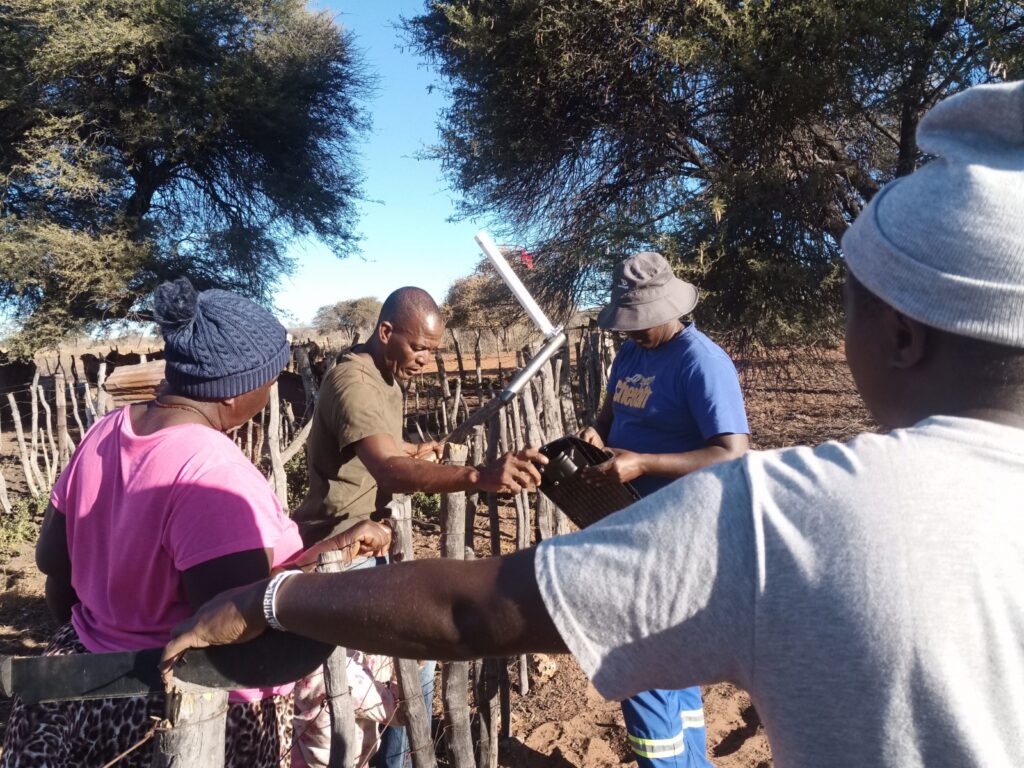
Currently CCF is working across eight communal conservancies in Namibia’s eastern and western area of the country though a UK Darwin Initiative programme, developed in partnership with conservancies, the Namibian Ministry of Environment, Forestry and Tourism (MEFT), and Elephant Human Relations Aid (EHRA), the project addresses both the ecological and social drivers of human-wildlife conflict. Baseline surveys found that livestock kept in poorly protected kraals at night were particularly vulnerable to predators. In response, CCF is testing a combination of solar-powered security lights, fox lights that mimic people patrolling with torches, acoustic deterrents such as vuvuzelas, and reinforced predator-proof kraals. These measures are being evaluated through a randomized controlled trial, providing robust scientific evidence on which tools are most effective under real farming conditions. If successful, this evidence-based toolkit could be expanded across Africa.
Healthy ecosystems also reduce conflict. Through habitat restoration initiatives such as CCF’s biomass program, CCFBush@, CCF restores degraded rangelands, improving grazing for livestock while supporting healthier populations of wild prey. When natural prey is abundant, predators are less likely to target livestock, creating benefits for both wildlife and farmers.
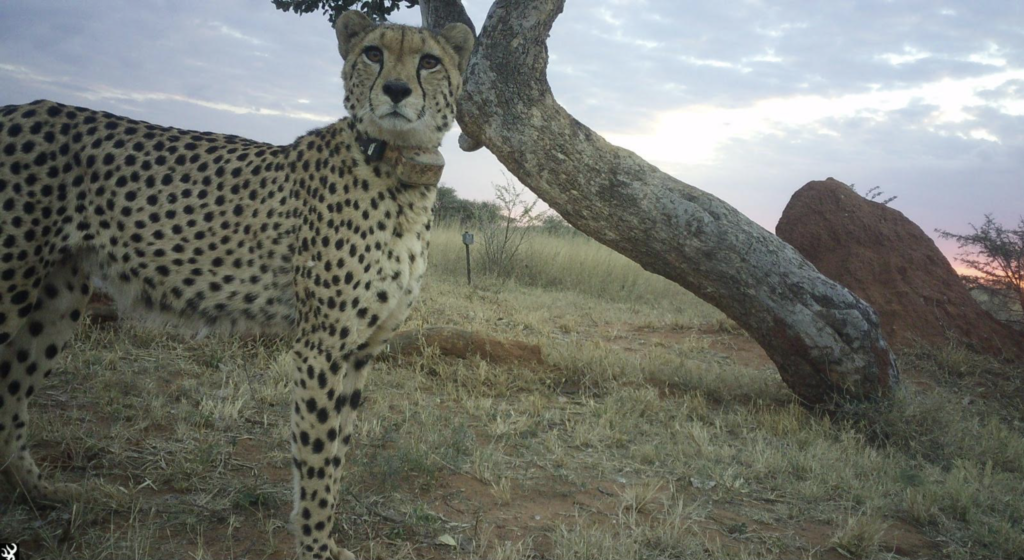
Today, fewer than 7,000 cheetahs remain in the wild, and nearly 80 percent live outside protected areas on land shared with people and their livestock. Their future depends on practical conservation solutions that recognize the needs of both wildlife and rural communities.
CCF’s toolbox demonstrates that coexistence is achievable. By combining scientific research, innovative technology, improved livestock management, habitat restoration, and strong partnerships with local communities, conservation becomes more than protecting wildlife—it becomes an investment in resilient landscapes where people, livestock, and predators can thrive together.
About CCF
The Cheetah Conservation Fund is a Namibian-based international conservation organization dedicated to saving the cheetah in the wild through research, conservation, education, and community engagement. CCF’s integrated approach has become a model for conservation programmes around the world. For more information about Cheetah Conservation Fund visit www.cheetah.org.
Photos –
1. Guardian dogs at work – Livestock guardian dogs remain one of CCF’s most successful tools for preventing predator attacks while reducing retaliatory killing of carnivores. Photo Credit – Cheetah Conservation Fund
2. New technology for coexistence – Solar-powered lights and fox lights are being scientifically evaluated across communal conservancies to determine their effectiveness in reducing nighttime livestock predation. Photo Credit – Cheetah Conservation Fund
3. Cheetah Rangers – Community-led conservation – Working alongside communal conservancies, farmers, government agencies and other NGOs ensures that conflict mitigation solutions are practical, locally owned, and sustainable. Photo Credit – Cheetah Conservation Fund.
2nd photo – is Cheetah Rangers and Dr. Laurie Marker – photo Credit – Cheetah Conservation Fund
4. Cheetah Camera Trap- Photo Shared landscapes – More than 90% of Africa’s cheetahs live outside protected areas, making coexistence across working landscapes essential for the species’ long-term survival. Photo credit- Cheetah Conservation Fund